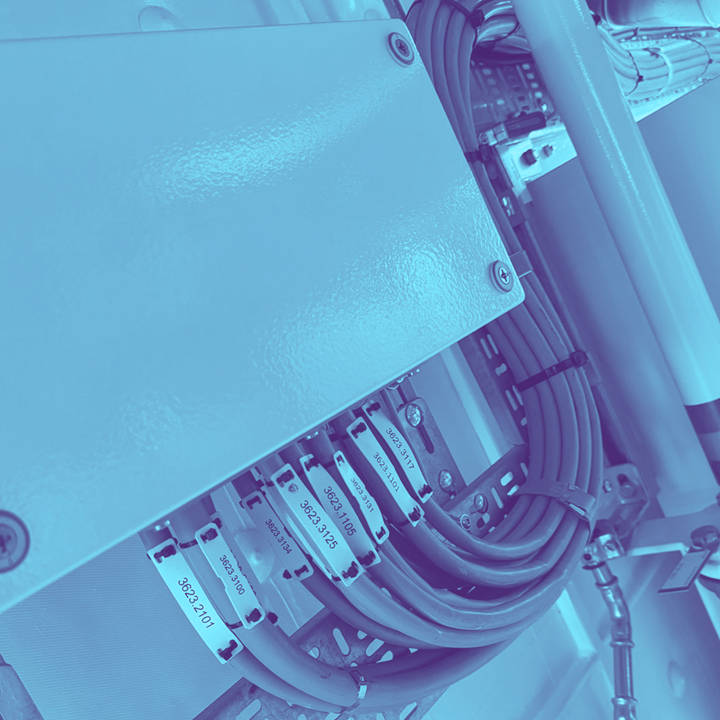
Electrical installation works in the shipbuilding industry involve setting up power, control, and communication systems on vessels and offshore structures. This includes installing switchboards...
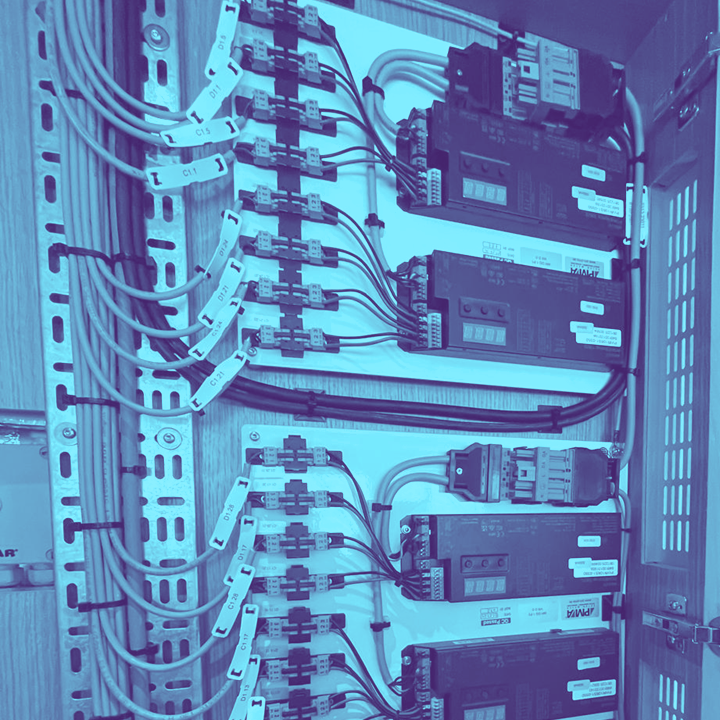
Electrical connection works involve the safe and precise termination and connection of cables to ensure proper operation of onboard systems...
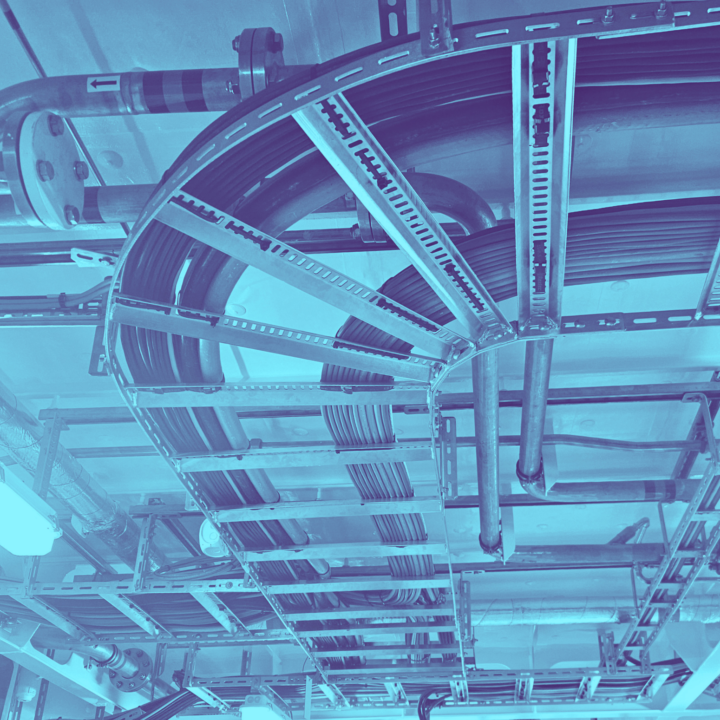
These works involve installing steel structures that support electrical systems on vessels and offshore units...
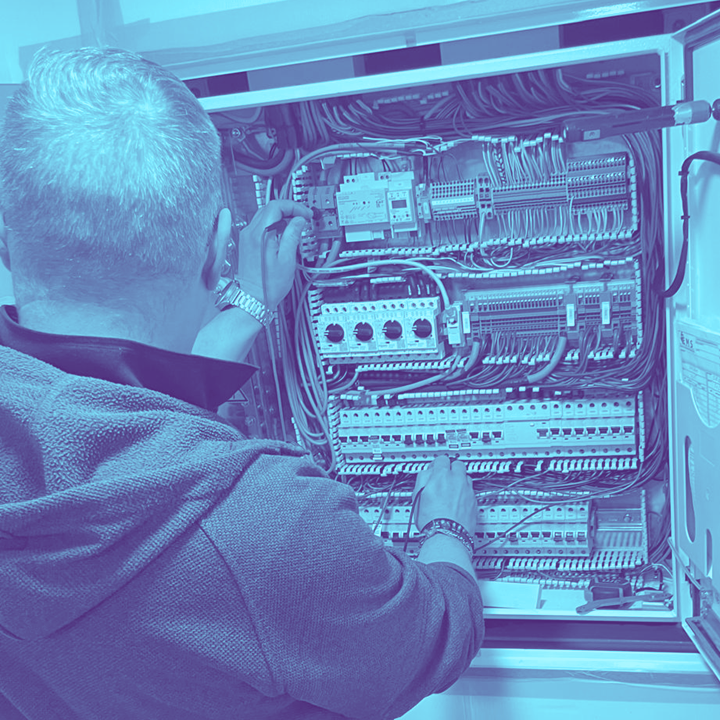
Electrical commissioning involves testing and verifying systems to ensure safe operation and compliance with project requirements and marine standards. This includes system checks...
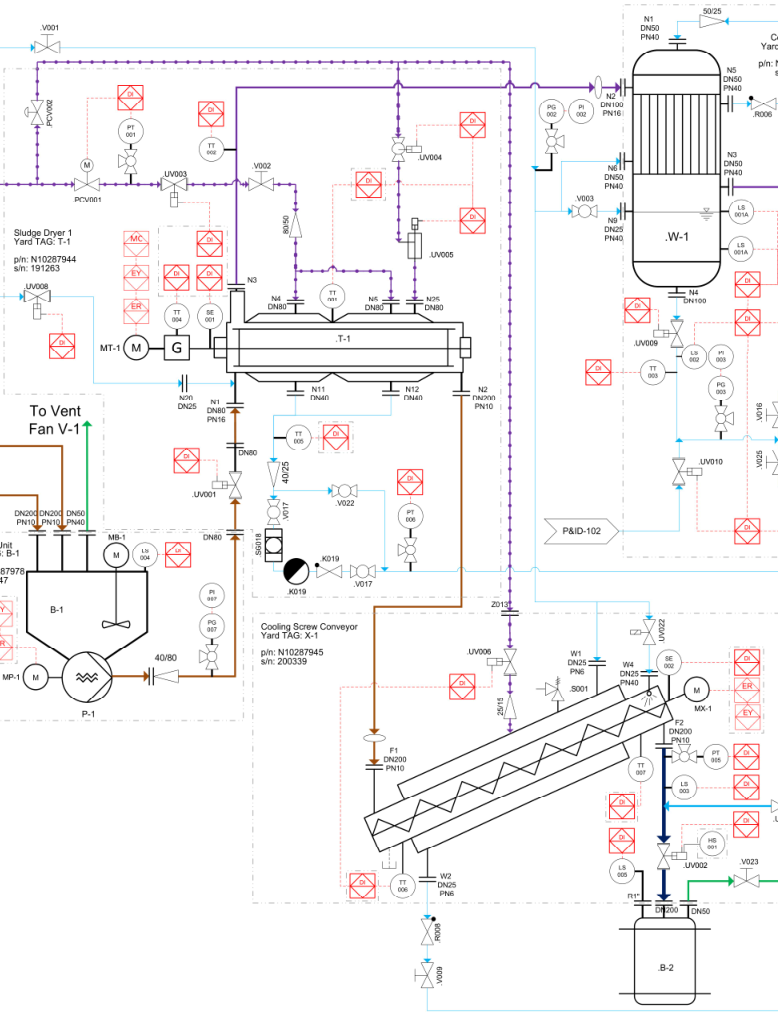

A Scrubber cleans ship exhaust by passing it through a tower where water or a chemical solution absorbs pollutants like sulfur oxides and particulates. The treated exhaust gas is released, and the used water is either recirculated (closed-loop) or treated before discharge (open-loop).
An Advanced Waste Water Treatment (AWWT) system on a ship treats sewage and greywater to meet strict environmental standards. Wastewater first passes through screens and macerators to remove large solids, then undergoes biological treatment where bacteria break down organic matter. The water is further clarified through sedimentation and filtration and finally disinfected—typically using UV light or chemicals—to remove pathogens. The result is clean, safe water that can be discharged into the sea without harming the environment.
A Ballast Water Treatment System (BWTS) protects marine ecosystems by treating ship ballast water before discharge. Water is first filtered to remove large particles and organisms, then treated with physical or chemical methods—such as ultraviolet (UV) light, chlorine, or ozone—to inactivate bacteria, plankton, and other microscopic organisms. This ensures that the discharged water meets international environmental standards and prevents the introduction of invasive species into new ecosystems.
An Audio-Visual/Information Technology (AV/IT) system on a ship integrates entertainment, communication, and information services for passengers and crew. It includes components like televisions, speakers, public announcement systems, Wi-Fi networks, and onboard security system. The system manages media distribution, internet access, and internal communications, allowing passengers to enjoy entertainment and stay connected while the crew can coordinate operations efficiently.